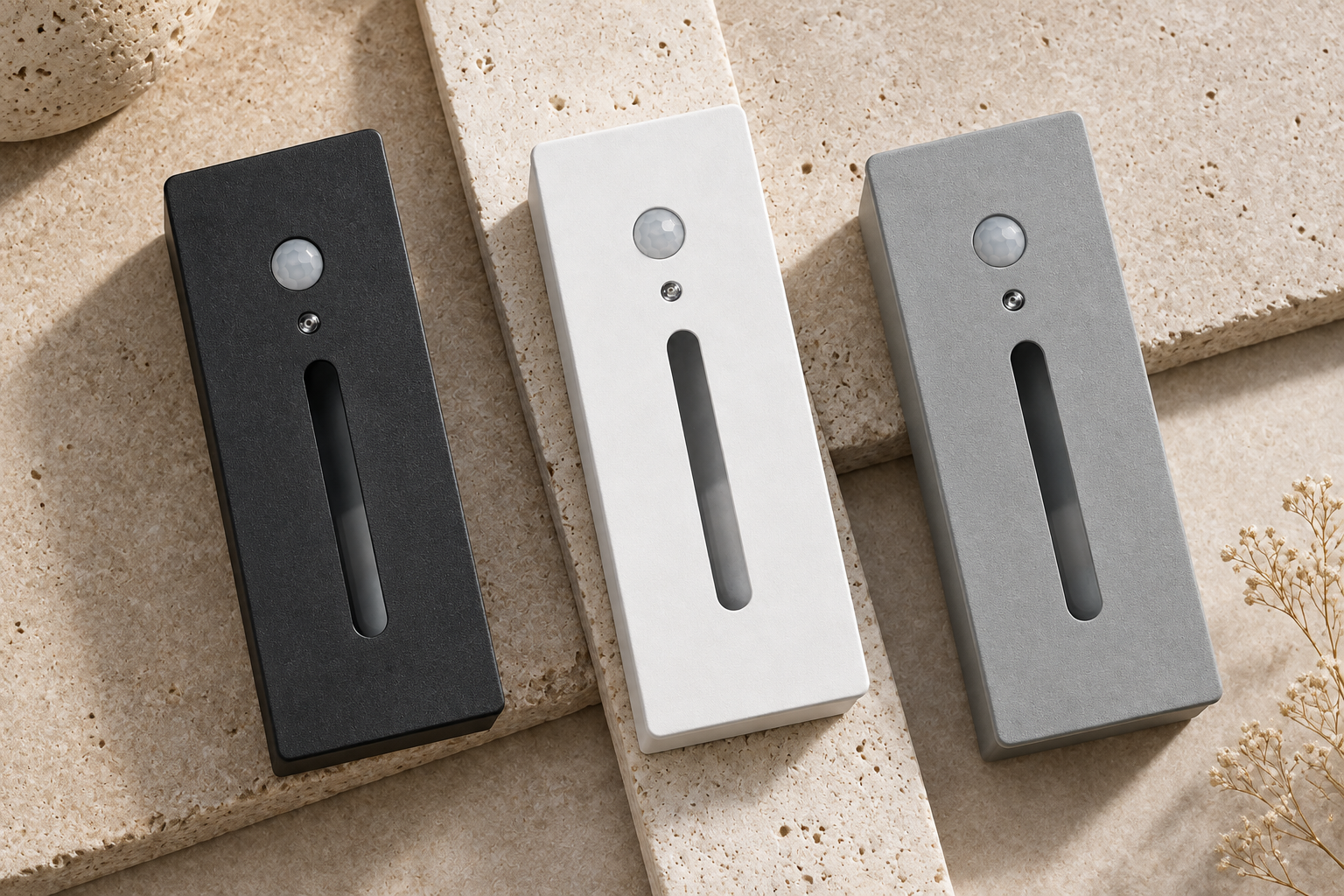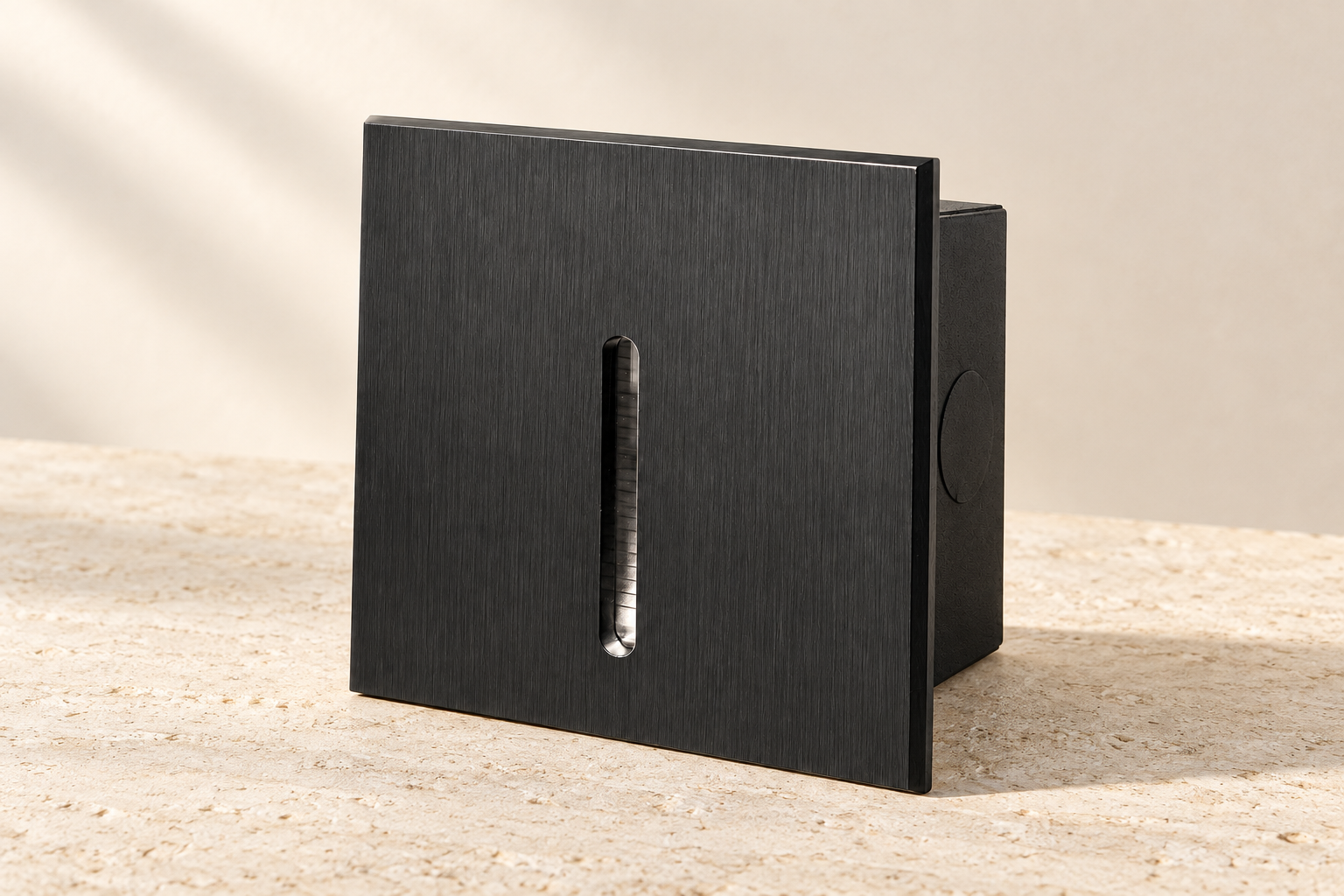
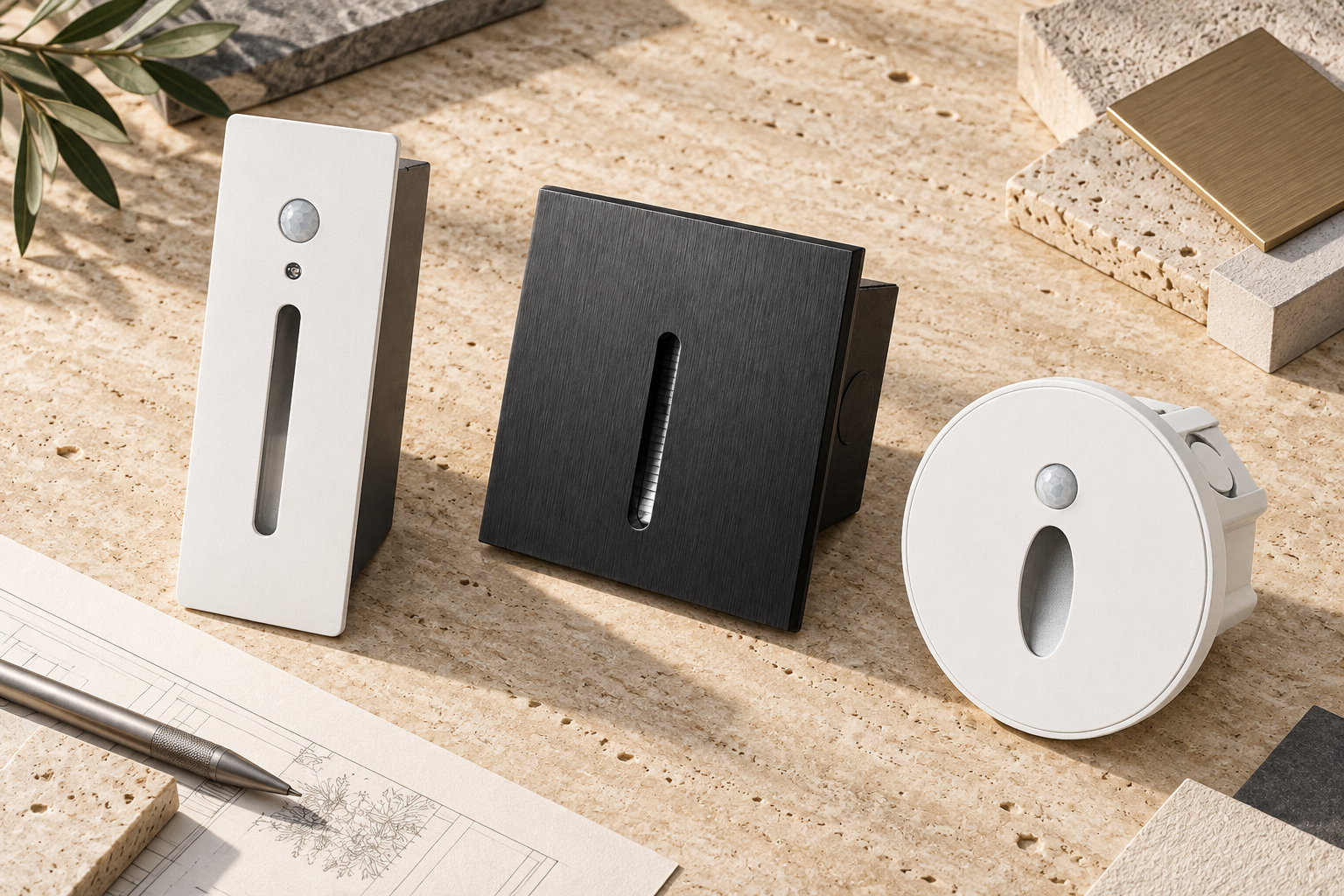
A well-structured inquiry saves a round of follow-up questions and makes proposals easier to compare. Gather the information in one place, with each requested model tied to its location and intended use.
Include the identifiers
Use the complete model reference, including any control variant. Add the requested finish, colour temperature, quantity and delivery destination. If you are replacing an existing fitting, include a photograph and the measured opening; a similar face size does not guarantee the same recessed body.
A short schedule is usually enough to establish the starting point:
- Model or product family, with a link or reference image.
- Quantity by variant and project phase.
- Installation location and available depth.
- Requested finish, CCT and control arrangement.
- Delivery destination and sample decision date.
Separate known from open
Mark the dimensions, electrical requirements and delivery milestones as confirmed or provisional. This prevents an estimate from being mistaken for an approved instruction later.
For a custom detail, include the required result and the constraints together. A sketch without a scale may communicate appearance but cannot establish whether a proposed design fits the wall.
Ask for one coordinated response
Request the current technical drawing, quotation, sample options and lead time in the same inquiry. Ask the supplier to identify assumptions and any differences from the requested schedule.
Compare responses against that schedule, then resolve exceptions before sample approval. Keep the final brief with the approved product records. Our guide to writing a project brief shows how to turn this checklist into a useful first conversation.