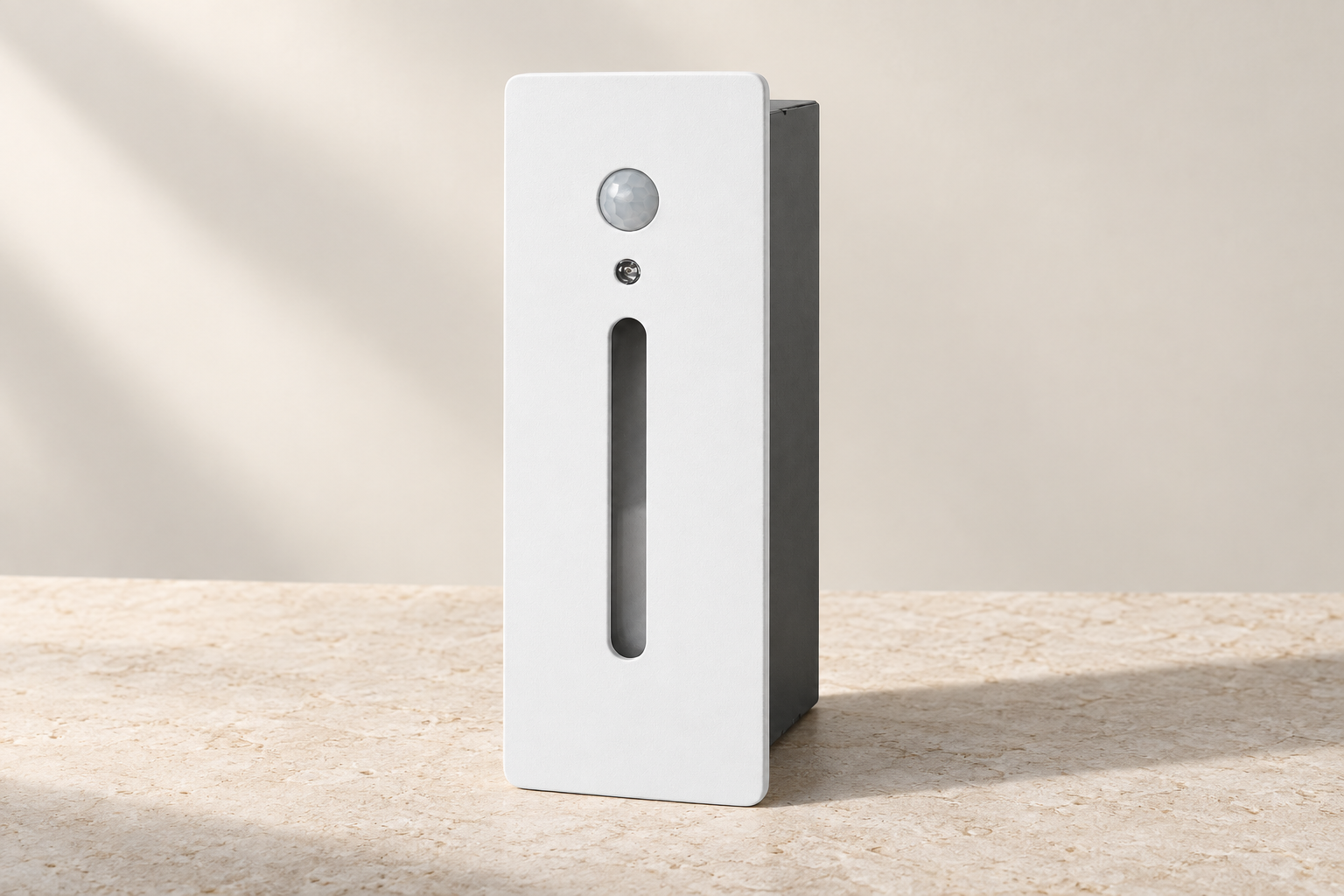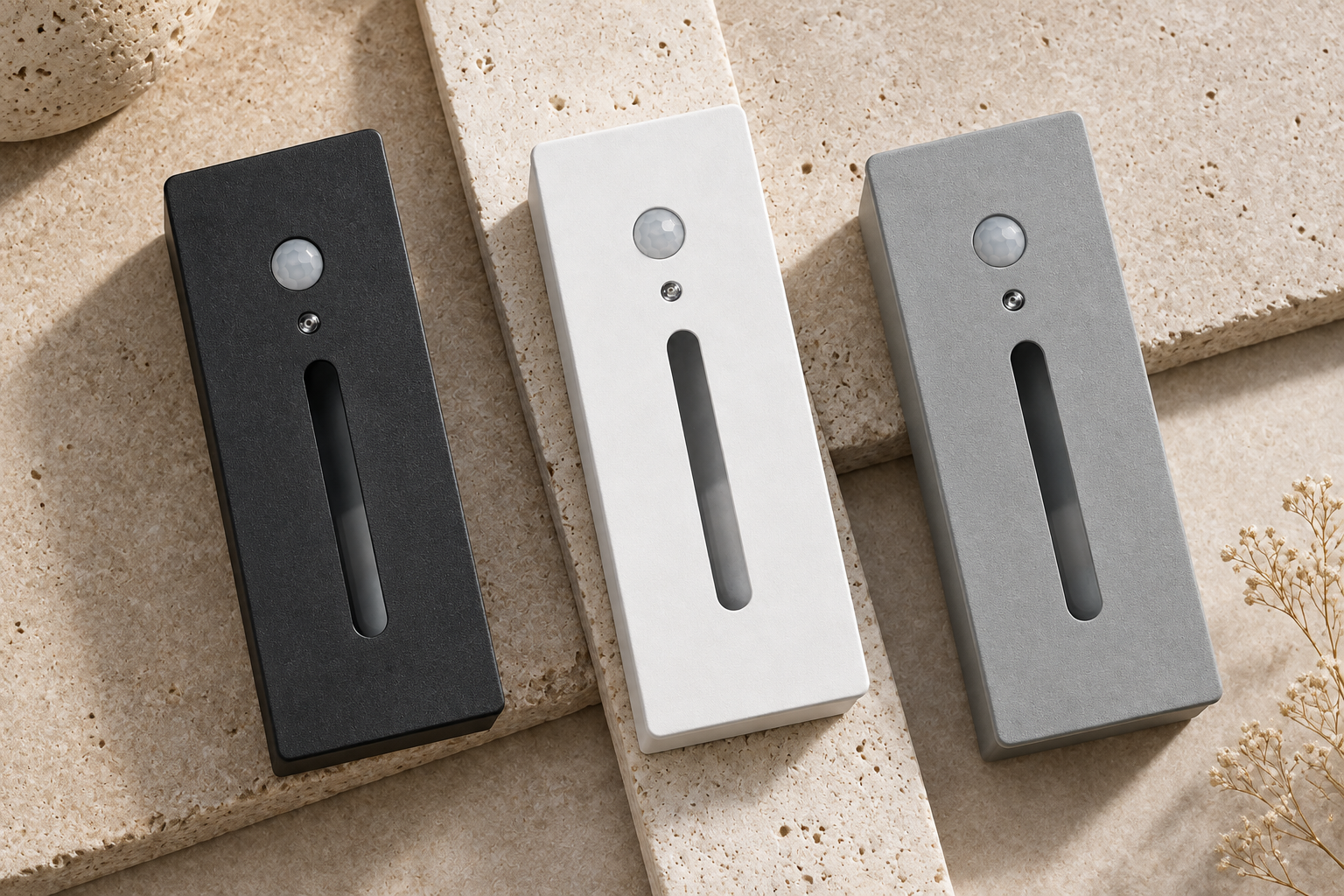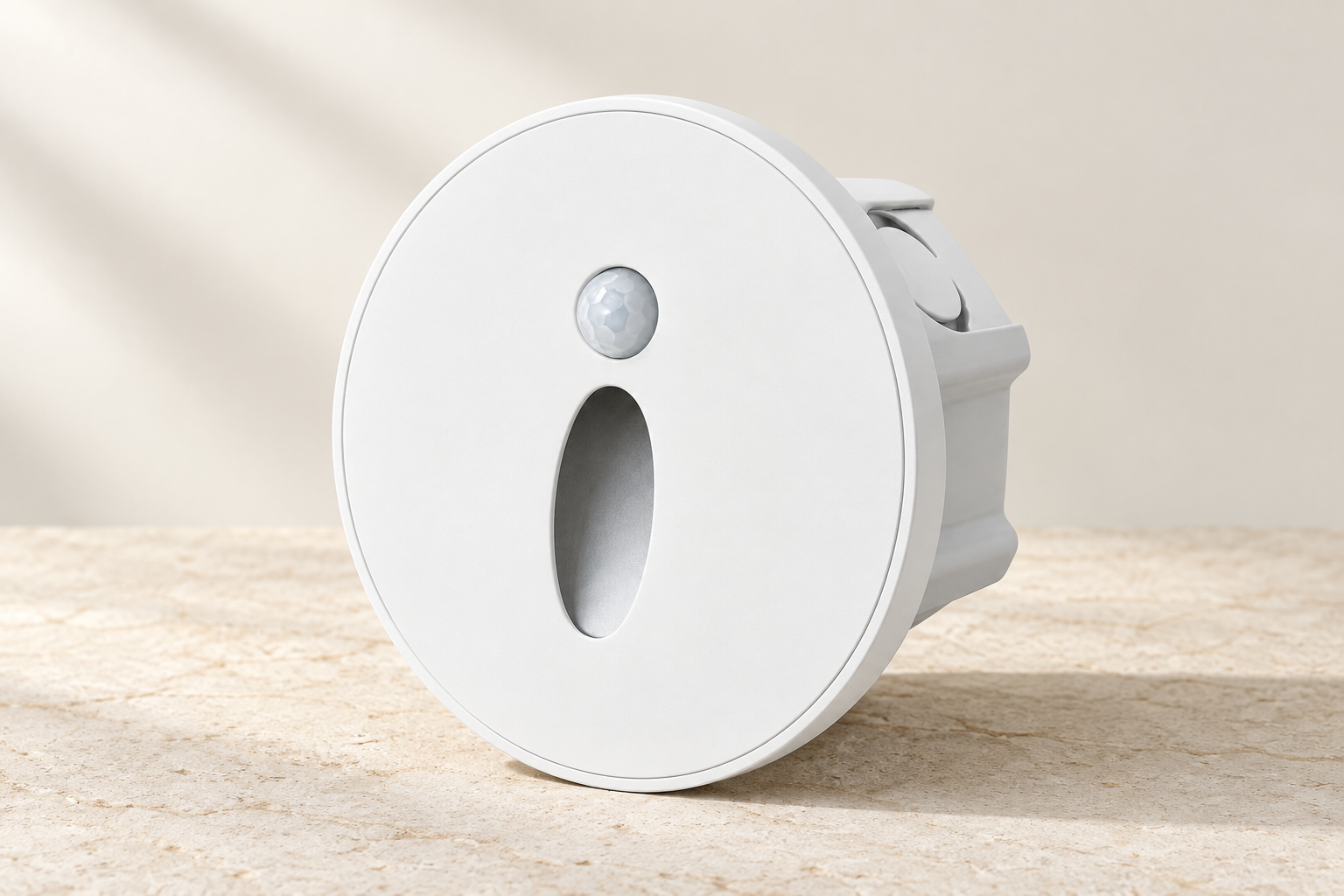
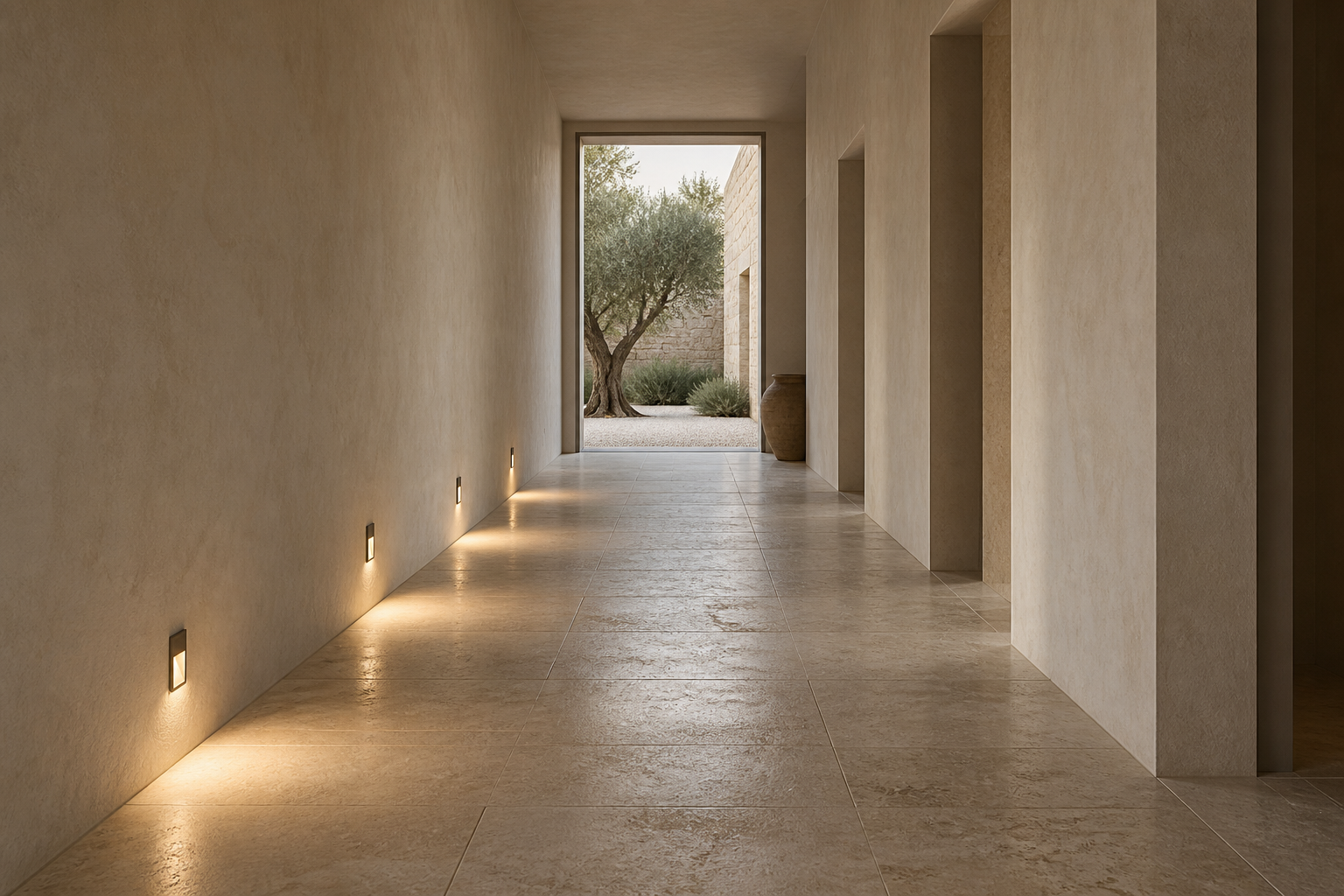
An IP rating describes a defined level of enclosure protection against solid objects and water. It is a useful specification, but it is only one part of deciding whether a low-level light belongs in a particular location.
Describe the exposure
State whether the fitting is in a dry interior, near a splash zone, under a canopy or directly exposed to weather. Include cleaning methods, likely water direction and the installation surface. A sheltered entrance can still encounter wind-driven rain or water from cleaning.
The first digit of an IP code concerns solid-object protection; the second concerns water protection. Different water tests describe different conditions, so do not assume that every higher number covers every form of exposure.
Ask for model-specific evidence
Request the rating for the exact model and variant, its installation instructions and any relevant test documentation. A similar-looking fitting may use a different enclosure, seal or cable entry.
Check the whole installation:
- How the cable connection is protected.
- Which mounting orientation is permitted.
- Whether sealing or drainage provisions are required.
- Whether the specified environment includes other constraints, such as corrosion exposure.
Keep the schedule precise
An enclosure rating does not establish corrosion resistance, impact resistance or suitability for every outdoor condition. Confirm those requirements separately with the project team and supplier.
If the final location is undecided, mark the environmental requirement as pending. Resolve it before ordering, then retain the approved instructions with the project handover records.