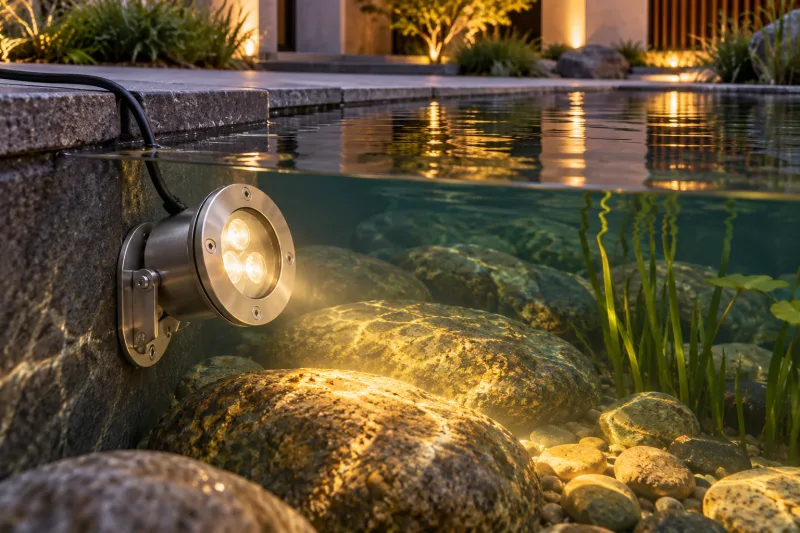
A fixture described as waterproof is not automatically suitable for continuous use in a pond. Underwater selection requires the intended depth, water conditions, operating environment and complete assembly to be documented. The desired beam is then reviewed with the water feature and the people looking at it.
This guide helps project buyers prepare an inquiry for adjustable water-feature spotlights and other pond-lighting formats. It covers specification and sample review; the responsible qualified professional must establish the installation and electrical requirements for the actual site.
1. Define the water-feature type
Describe whether the project is an ornamental pond, a fountain, another water feature or a location people can enter. Identify whether animals use the pond and whether it is part of a habitat brief. These are materially different conditions and should not share a generic product request.
Include dimensions, expected water level variation and the planned location of each fixture. Mark service access and the viewing positions around the water. A wide beauty photograph helps explain atmosphere, but a section provides the depth and relationship needed for technical review.
2. Obtain explicit immersion conditions
The IEC IP-code publication concerns enclosure protection. For underwater purchasing, obtain the stated immersion conditions for the exact assembly, including depth, duration and any mounting or operating limitations. Ask how the supplied cable and connections are addressed in that documentation.
BEGA’s underwater floodlight information lists particular depth and application data for its own products. This illustrates the level of detail worth requesting. It does not establish the rating, operating depth or certification of a KEEPSUN fixture, which requires its own confirmed information.
3. Confirm water and material compatibility
Describe fresh water, treated water, salt exposure and cleaning chemicals where relevant. Request the housing, seals, cable and other wetted-material information for the proposed assembly. Ask for limitations and care requirements that respond to those actual conditions.
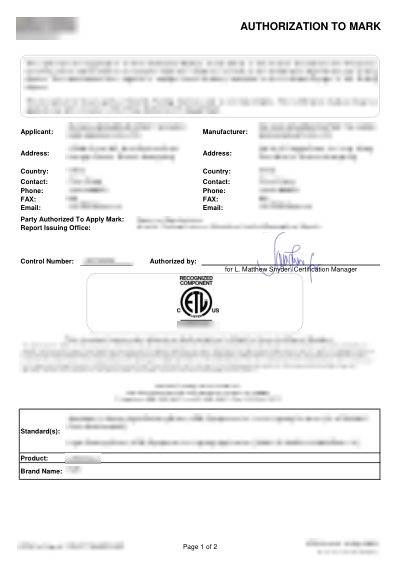
Do not treat corrosion resistance, drinking-water suitability or suitability for a swimming location as interchangeable claims. Each is a distinct application question. If a supplier provides a certificate, verify that the model and application in the document match the quotation. Product similarity and a polished metal finish are not enough evidence.
4. Ask about operation outside the water
Clarify expected water-level changes and maintenance periods. Ask whether the selected fixture has an operating restriction when not submerged or when partly exposed. Review that response with the project professional before accepting a control or operating schedule.
Do not run a sample under improvised conditions to investigate its limits. Request a supplier-defined sample demonstration and the relevant instructions. A submerged application can involve different thermal conditions from a dry display; the documentation should answer how the selected product may be operated.
| Application condition | Question for the exact product | Evidence before approval |
|---|---|---|
| Continuous immersion | What depth and duration are stated? | Product-specific documentation and conditions |
| Variable water level | Is partial or dry operation permitted? | Manufacturer operating limitations |
| Treated or saline water | Are all wetted materials suitable? | Material data and stated compatibility |
| People can enter the water | Is the complete system suitable for this use? | Responsible professional’s review and exact-model documents |
| Habitat-oriented pond | Is decorative light appropriate here? | Site and ecological brief reviewed before selection |
5. Choose the beam with the real water feature
Define the target: a fountain jet, a submerged surface, a sculpture or another element. Ask for distribution information and review aiming limits. Water clarity, suspended material and the feature’s surfaces can change the apparent effect, so an empty dry demonstration is a limited reference.
For a hypothetical ornamental basin, assume one sculpture and two principal viewing positions. Compare a focused beam at the sculpture against broader submerged light using a supplier-approved demonstration. These are design concepts, not prescribed positions. Evaluate where viewers see the source, whether the feature remains legible and where light leaves the intended target.
6. Keep decorative light purposeful and controlled
The DarkSky and IES lighting principles emphasize limiting outdoor light to useful purposes and times. Apply that thinking before deciding that every pond should be illuminated. A habitat-focused pond may call for darkness rather than a decorative underwater scheme.
If lighting is appropriate to the brief, describe operating hours, intended brightness scenes and boundaries for spill. Review warmer-white or other light appearances as site choices, without claiming any color eliminates ecological effects. Where wildlife is a significant consideration, have the relevant site professional review the proposal.
7. Review the complete supply and control arrangement
Ask the supplier to identify every component required by the quoted system, including any separate driver or control interface. Give the responsible project professional the actual site section, product requirements and access locations. Keep the complete-system review ahead of the purchase release.
Do not infer compatibility from connector shape or a shared voltage label. Request the documented combination and clarify which items are included. For color-changing versions, specify the desired operation and control interface separately from the fixture’s visual format, then approve a supplier-defined demonstration of that combination.
8. Plan maintenance and replacement identification
Ask how the assembly is retrieved, inspected and serviced under the manufacturer’s instructions. Describe the site’s access constraints so the team can decide whether the proposed mounting format is practical. Review the effects of debris, deposits and water clarity with the site’s maintenance team.
Compare the recessed water-feature light with the surface-mounted format as distinct construction details. Confirm drawings and access needs for the actual version. Keep model references for the fixture, cable assembly, driver and controls so a replacement can be reviewed against the original system.
Approve a complete water-feature brief
Before placing an order, confirm:
- The type of water feature, access by people and ecological brief are identified.
- Depth, water-level variation and immersion conditions match the selected product.
- Water chemistry, wetted materials and cleaning limitations have been reviewed.
- Operating limitations and the complete supply/control arrangement are documented.
- Beam appearance and source visibility have a supplier-defined sample record.
- Mounting, retrieval, maintenance and replacement references are coordinated.
- Quantities, included components and unresolved assumptions appear in the quotation.
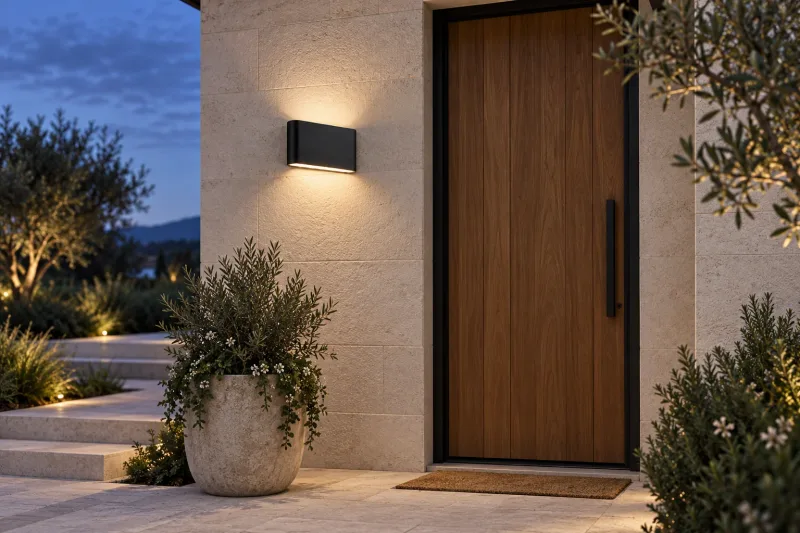
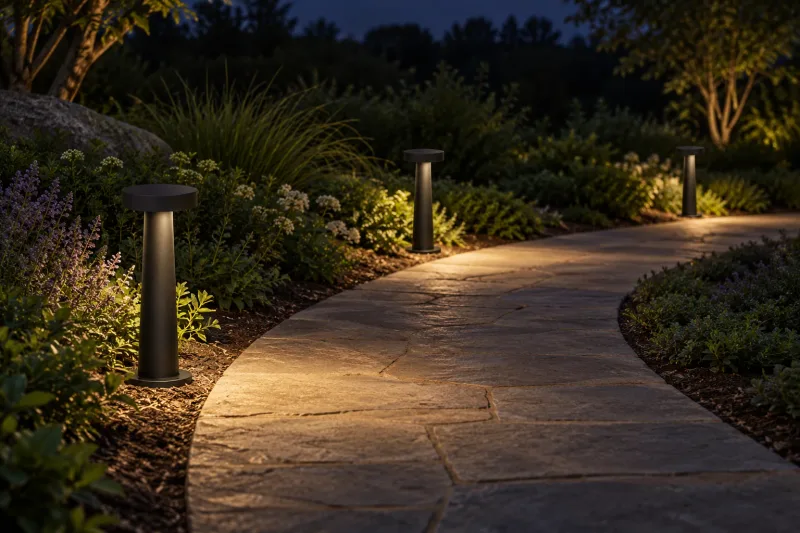
Coordinate nearby circulation through the garden path-light guide, and assess adjacent facade lighting with the outdoor wall-light buying guide. Each part of the landscape needs its own exposure and purpose review.
Frequently asked questions
Can any IP-rated garden light go underwater?
No. Request explicit immersion and operating conditions for the exact fixture and complete assembly. A general outdoor claim does not establish underwater suitability.
Can a pond-light sample be operated dry?
Only when the manufacturer’s instructions permit it under the proposed conditions. Ask for a defined demonstration rather than assuming dry operation is acceptable.
What information should accompany a pond-light inquiry?
Send the feature type, section and depth, water conditions, viewing positions, operating brief, access requirements, quantity and destination.